Tree Removal Auckland

Auckland tree removal and hedge trimming is the process of removing branches, twigs, and foliage from trees or completely removing the tree.  The main objective of trimming is to improve the overall shape and appearance of the tree or hedge, while also removing any dead, diseased, or damaged growth. 

Tree trimming is necessary to maintain the health of the tree, as overgrown branches can become heavy and cause stress to the tree, leading to potential breakage. It also promotes healthy new growth and helps the tree maintain its natural shape. In addition, trimming helps to reduce the risk of damage to property and power lines during high winds or storms.

Get a Free Estimate

Free on-site estimates. Written quotes. Residential and commercial.

What type of service do you need?
Select a service
How soon do you need the service?
Select an option

Common Pest Trees We Remove in West Auckland

Several trees and shrubs found in West Auckland gardens are legally classed as pest plants under the National Pest Plant Accord or flagged in Auckland Council’s regional pest management rules. Our arborists safely remove all of the species below.

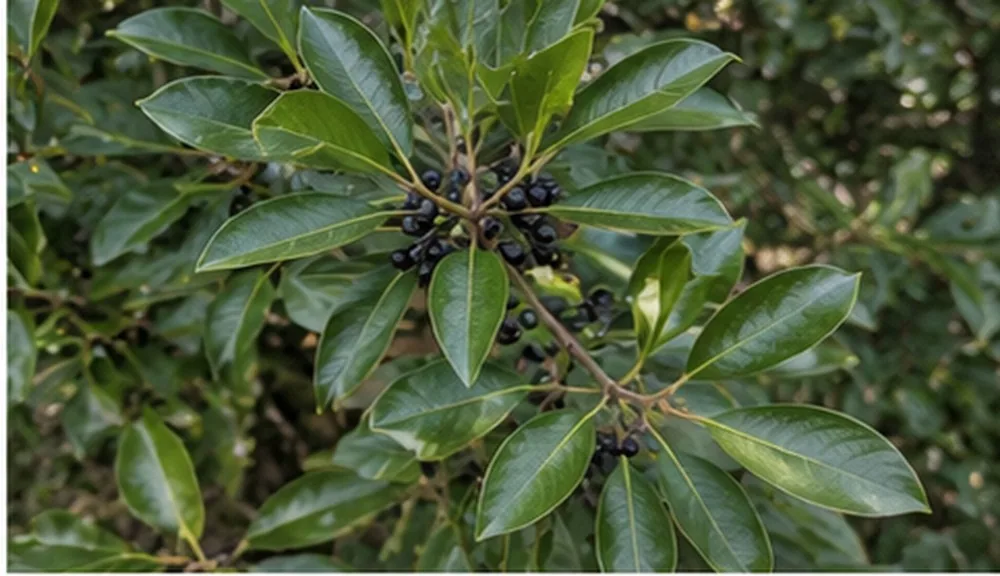
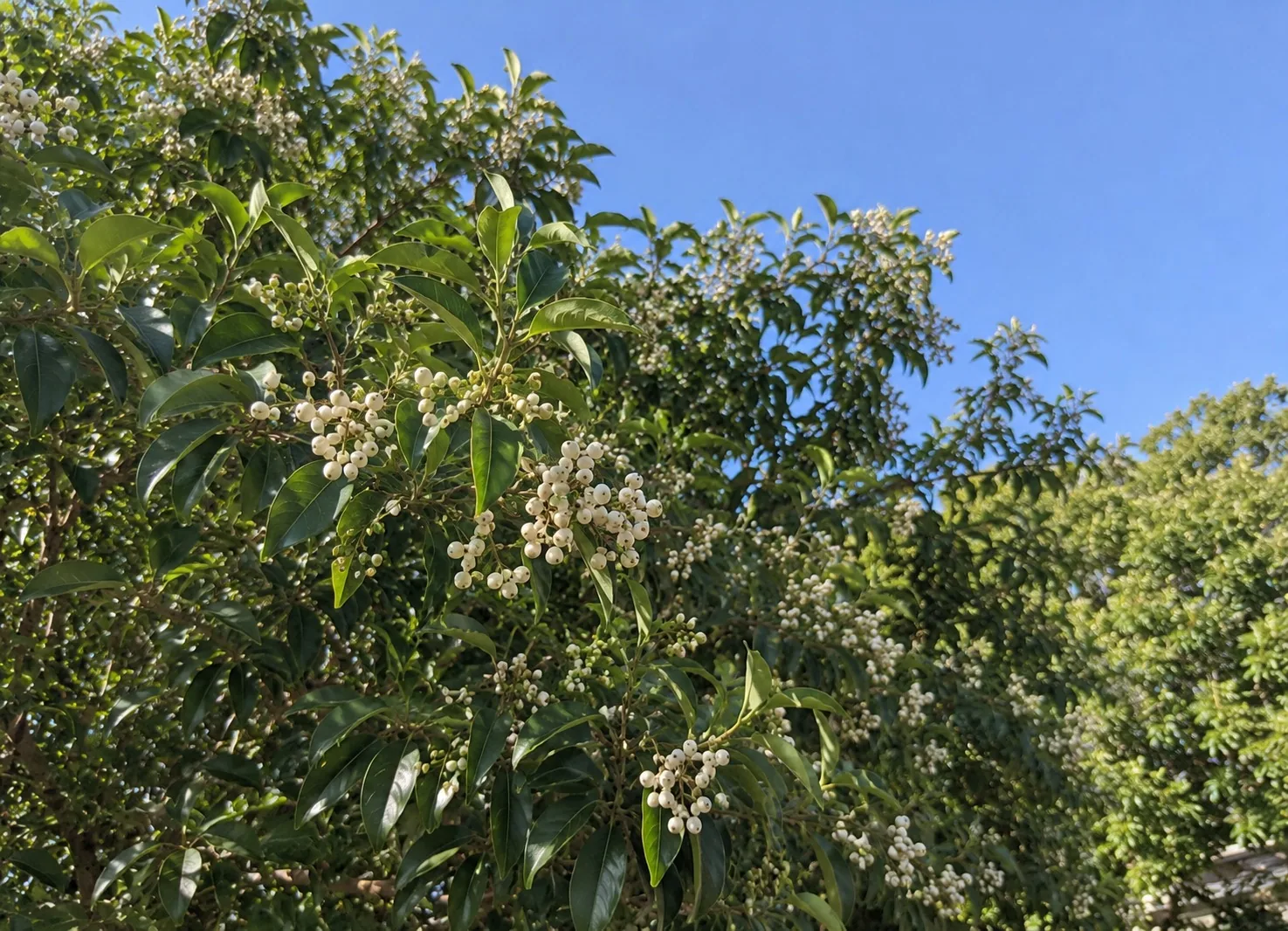
Tree Privet (Ligustrum lucidum)

Tree Privet (Ligustrum lucidum)

A National Pest Plant Accord species that cannot be bred, sold, distributed, or planted anywhere in the Auckland region, and landowners must destroy it if directed to by an authorised person. It forms dense stands that crowd out native seedlings, and its pollen can trigger allergic reactions.
Chinese Privet (Ligustrum sinense)

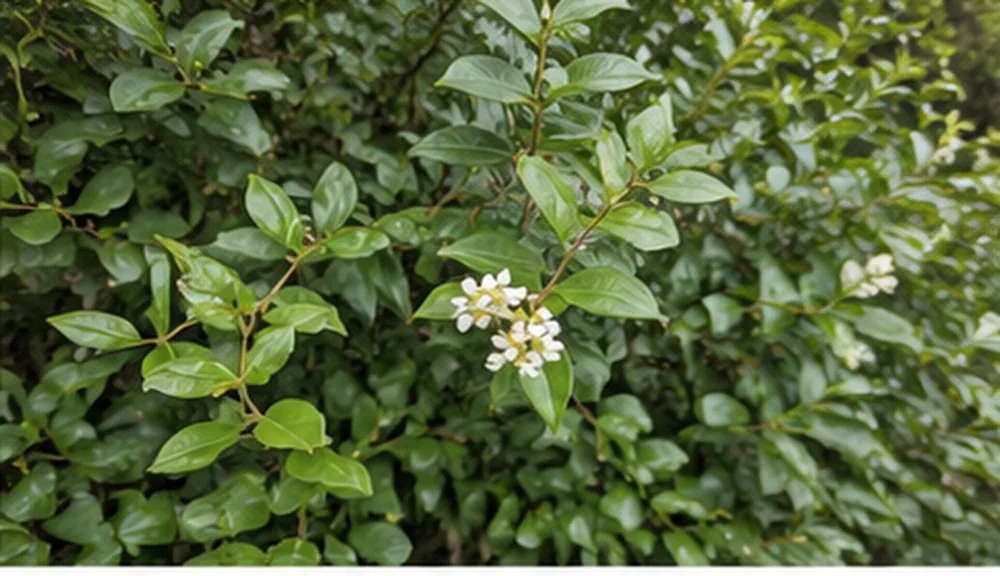
Chinese Privet (Ligustrum sinense)

A shorter, small-leaved relative of tree privet with the same bird-spread berries and weedy habit. It is commonly confused with tree privet in Auckland gardens.

Woolly Nightshade (Solanum mauritianum)

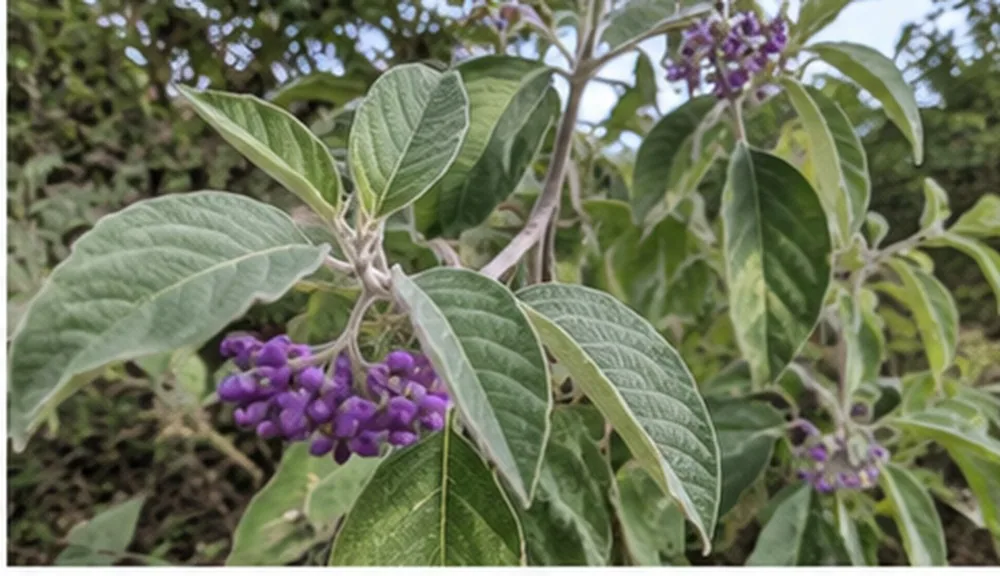
Woolly Nightshade (Solanum mauritianum)

A health hazard as well as an environmental one. Dust from the plant can irritate eyes, skin, nose and throat, and its berries are toxic.

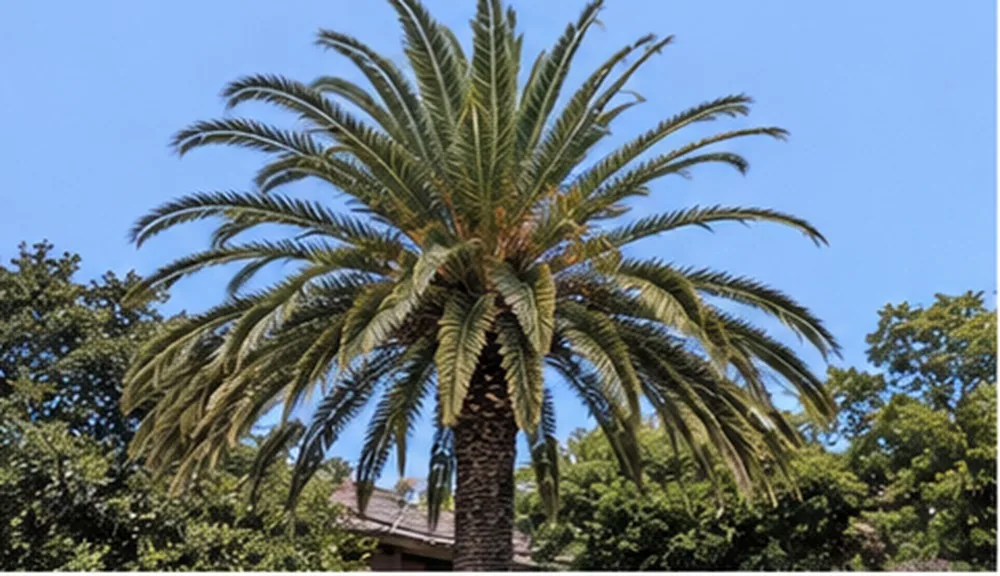
Phoenix Palm (Phoenix canariensis)

Phoenix Palm (Phoenix canariensis)

Cannot be bred, sold, or planted in the Auckland region, and must be destroyed if planted in breach of the rules. It spreads via birds, gravity, water, and even rats, and competitively excludes native vegetation.

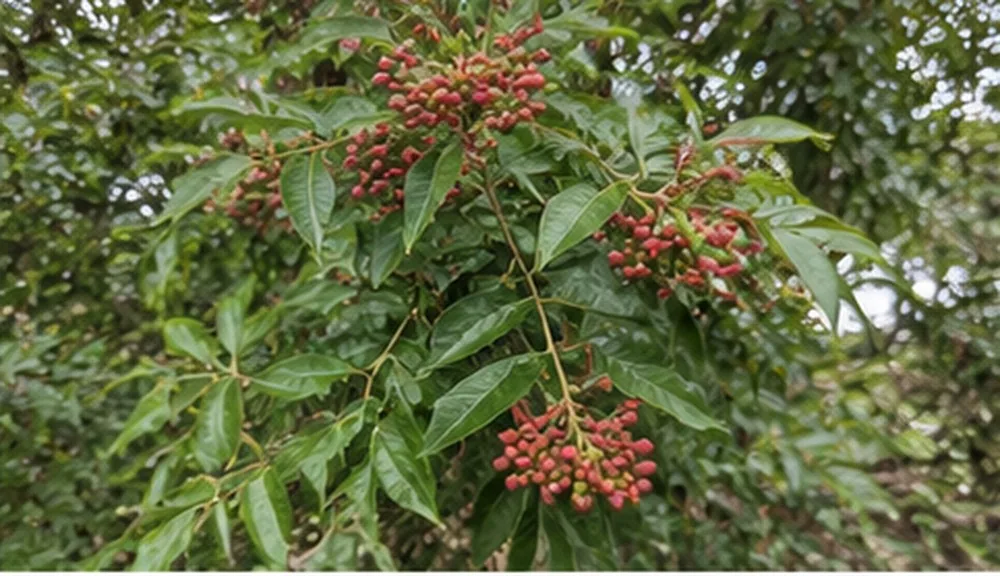
Brazilian Pepper Tree (Schinus terebinthifolius)

Brazilian Pepper Tree (Schinus terebinthifolius)

Another National Pest Plant Accord species. It cannot be planted in the Auckland region and must be destroyed if found in breach, spreading readily through bird, mammal, and water-dispersed seed while displacing native vegetation.

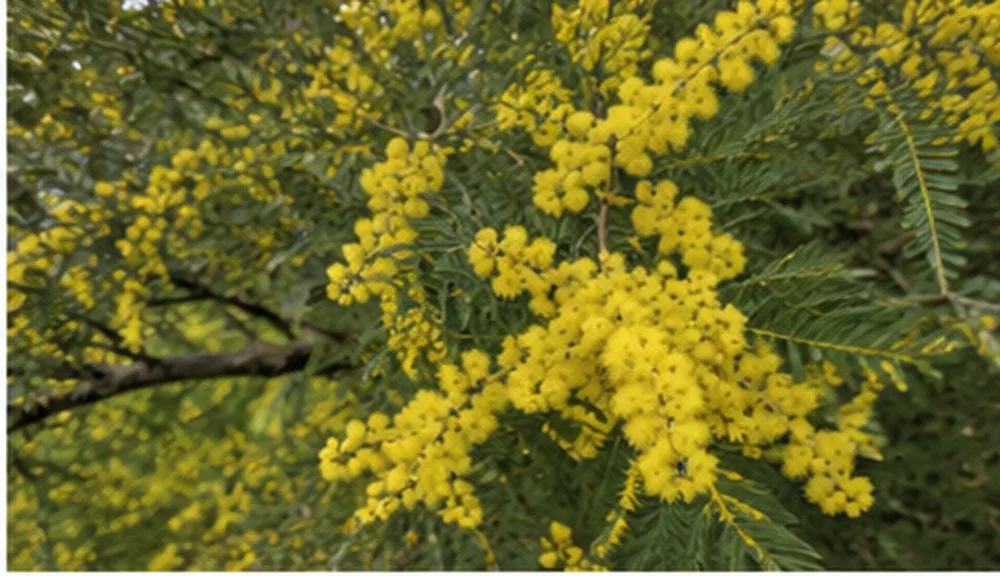
Wattle (Acacia spp. / Paraserianthes lophantha)

Wattle (Acacia spp. / Paraserianthes lophantha)

Sydney golden wattle and brush wattle are listed among the region’s most invasive weed trees alongside privet and loquat. Fast-growing and short-lived, wattle self-seeds aggressively into disturbed ground and gully margins.

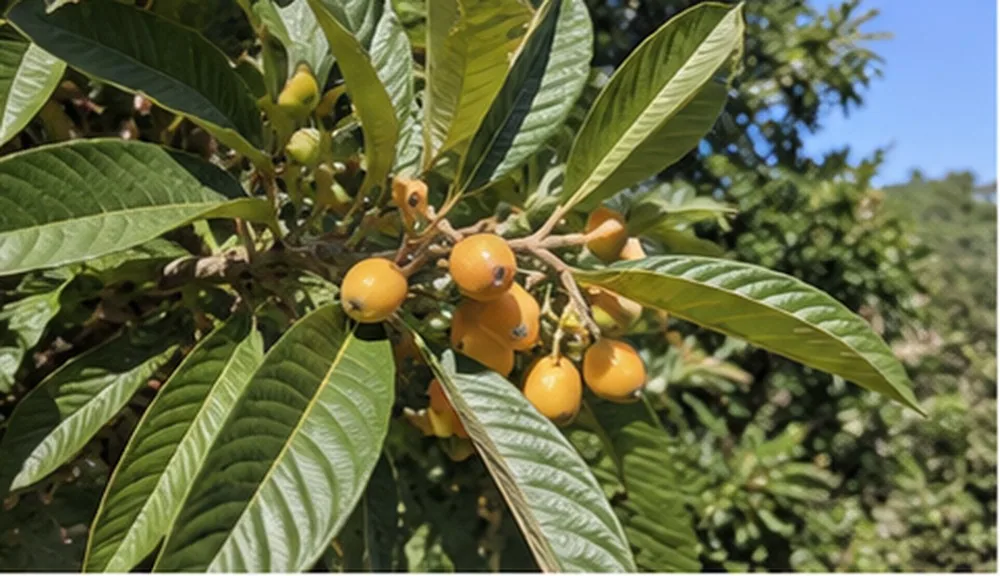
Loquat (Eriobotrya japonica)

Loquat (Eriobotrya japonica)

A common backyard fruit tree that readily naturalises into bush edges from dropped or bird-spread seed, and is regularly flagged in Auckland weed guides.

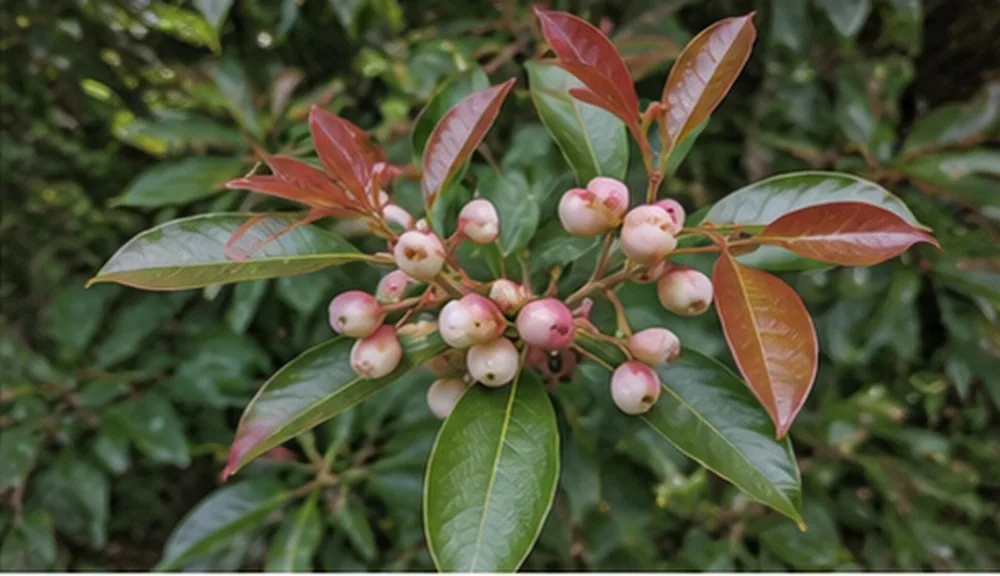
Monkey Apple

Monkey Apple

Similar in appearance to tree privet, with reddish new leaves and white-pink berries. Another garden escapee that spreads into reserves via birds.

Evergreen Buckthorn (Rhamnus alaternus)

Evergreen Buckthorn (Rhamnus alaternus)

A vigorous hedge, shrub, or small-tree species that escapes into coastal and disturbed sites and outcompetes native cover.

How Our Tree Removal Process Works

Every tree removal job follows the same careful process, whether it’s a small backyard tree or a large removal near power lines.

Free on-site assessment

One of our arborists visits your property to check the tree, its surroundings, and the safest way to bring it down.

Safe rigging and cutting

We use the right ropes, rigging, and cutting techniques to remove the tree in sections, protecting your property.

Stump and debris clean-up

Branches are chipped on-site and the area is cleared of debris, leaving your section tidy.

Final site check

We do a final walk-through with you to confirm the job is complete and everything is safe.

Signs You Need West Auckland Tree Removal

Not sure if a tree needs to come down? Here are some of the most common signs our arborists look for.

Leaning or unstable trunk

A tree that has started leaning, especially after wind or rain, may have compromised roots.

Extensive dieback or fungus

Large dead branches, missing bark, or fungus growing at the base can signal a dying tree.

Roots damaging property

Roots lifting paths, cracking foundations, or blocking drains are a sign the tree needs to go.

Storm or disease damage

Split trunks, broken limbs, or disease that has spread through the canopy usually can’t be reversed.

Why Choose Us for Tree Removal Contractor in West Auckland

When a tree needs to come down, you want a crew that gets it right the first time — safely, legally, and without leaving a mess behind. That’s exactly what we deliver.

  • Fully qualified, insured arborists
  • Deep local knowledge of Auckland Council rules and protected/notable tree schedules
  • Experienced with regional pest species removal (privet, phoenix palm, wattle, and more)
  • Modern equipment for tight urban sections and hard-to-reach trees
  • Fast response for storm damage and emergency removals
  • Careful, damage-free felling around houses, fences, and power lines
  • Full clean-up, mulching, and green waste disposal included
  • Transparent, no-surprises quotes
  • Friendly, respectful service from first call to final sweep

Whether it’s a single hazardous tree or a full section clear, we treat every job like it’s our own property. Get in touch today for a free, no-obligation quote.

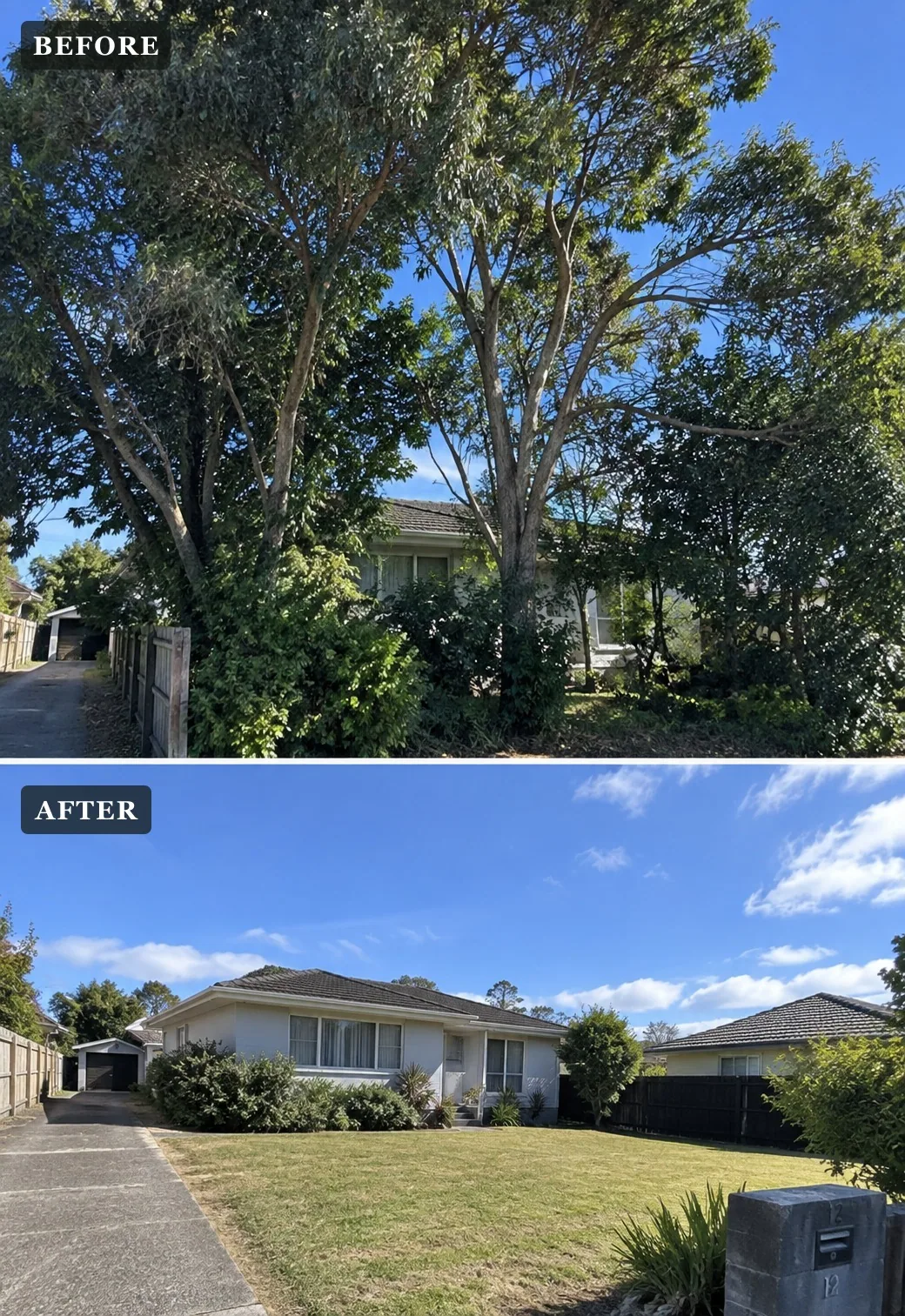
Before and after tree removal at a West Auckland property

Emergency Tree Removal in West Auckland

Storm-damaged branch through the roof? Tree down across your driveway after a nor’wester rolls through Titirangi, Henderson, or the Waitākere foothills? We’re on call when you need us most — fast, safe, and ready for anything West Auckland’s weather throws at us.

  • 24/7 emergency callout
  • Rapid response across Te Atatū, Henderson, Glen Eden, Titirangi & surrounds
  • Safe removal of storm-damaged, split, or fallen trees
  • Experience working around power lines, fences, and homes
  • Immediate hazard assessment and risk mitigation
  • Fully insured, qualified arborists
  • Heavy-duty equipment for large or awkward removals
  • Debris clearance and site clean-up included
  • Clear, upfront pricing — no surprise call-out fees

Living close to the bush comes with beauty — and the occasional emergency. When a tree becomes a danger to your property or family, don’t wait. Call us now for immediate, professional emergency tree removal anywhere in West Auckland.

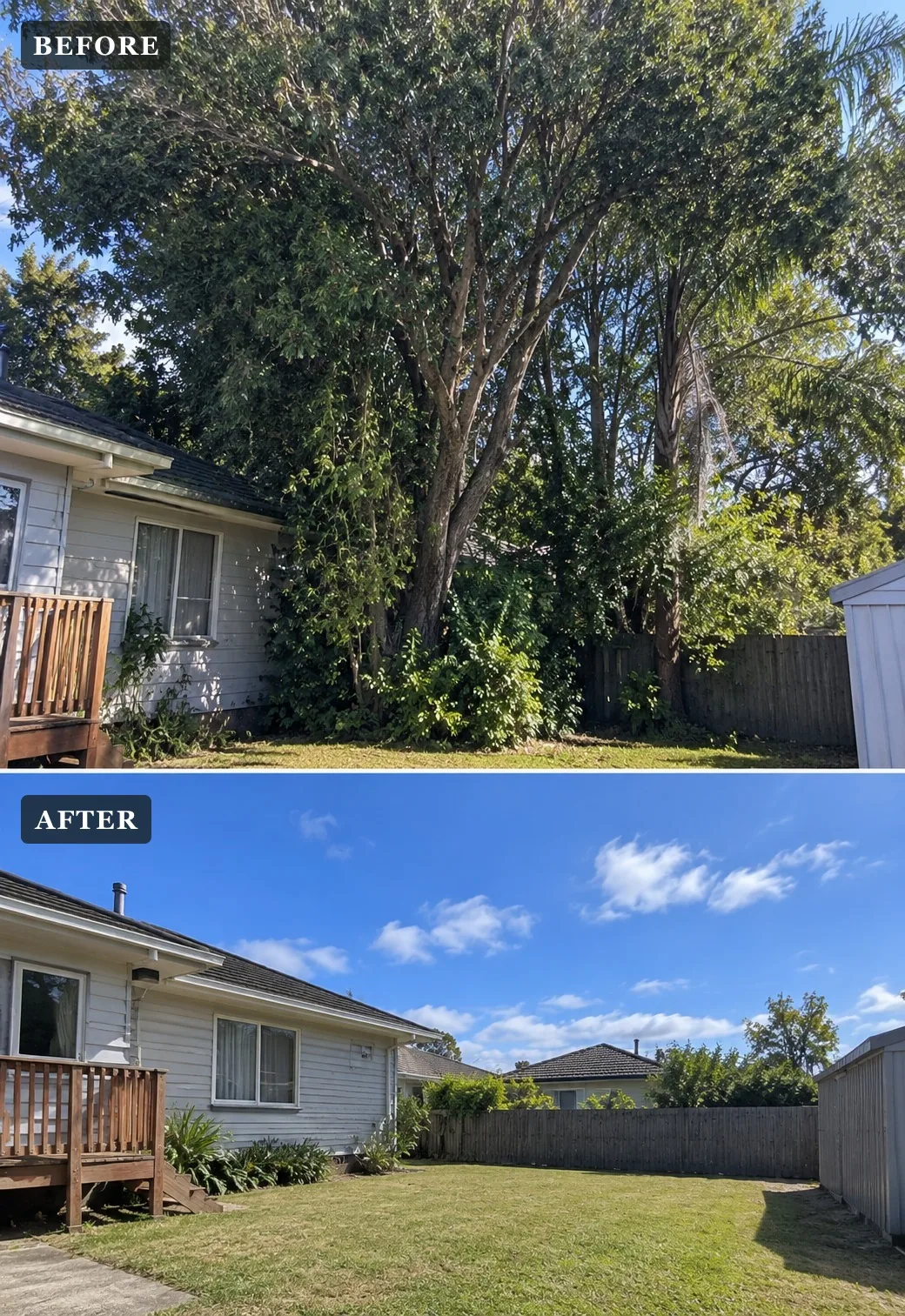
Before and after emergency tree removal at a West Auckland property

Do You Need Consent to Remove a Tree in West Auckland?

Since 2012, blanket tree protection no longer applies across Auckland — on an ordinary section, you can usually remove a tree without consent. But West Auckland is where the exceptions bite hardest. You’ll typically need resource consent if your tree is:

  • Listed as a Notable Tree (Schedule 10, Auckland Unitary Plan)
  • Within a Significant Ecological Area (SEA) — common across Titirangi, Laingholm, and the Waitākere foothills
  • Covered by a consent notice or covenant on your title
  • A street tree or berm tree — these belong to council, not the homeowner
  • Near a stream, esplanade reserve, or the coast

Always check your address on Auckland Council’s Unitary Plan Viewer before booking removal.

The Waitākere Ranges Heritage Area — Extra Rules Apply

Much of West Auckland — Titirangi, Oratia, Waiatarua, Woodlands Park, Henderson Valley — sits inside the Waitākere Ranges Heritage Area, roughly 27,700ha of protected landscape. The Act itself doesn’t force consent, but it directs the Unitary Plan’s overlay rules, and a high proportion of these properties fall within an SEA regardless of the tree species itself. Two nearly identical trees on neighbouring sections can have completely different protection status. On top of that, kauri dieback hygiene is essential for any work near kauri. We always confirm a tree’s status before quoting — so you’re never caught out.

What are the requirements for Tree Removal in West Auckland?

The requirements for tree removal in West Auckland may vary depending on the location of the tree and the specific regulations set by the local council. However, some of the general requirements for tree removal in New Zealand include:

Permit

A permit is often required to remove a tree in New Zealand. To obtain a permit, you must apply to the local council and provide information about the tree, including its species, size, location, and reason for removal.

Protection of surrounding property

Before removing a tree, you must take measures to protect surrounding properties, such as installing barriers or covering windows.

Compliance with Council rules

You must comply with all Council rules and regulations regarding tree removal, such as following proper safety procedures and using appropriate equipment.

Tree assessment

An assessment of the tree may be required to determine if it is dead, dangerous, or poses a risk to the public. The assessment should be performed by a qualified arborist.

Replacement planting

In some cases, you may be required to replant a new tree to replace the one that was removed.

Environmental protection

Tree removal should be performed in a manner that protects the surrounding environment and wildlife.

How We Protect Your Property During Tree Removal

Careful planning and controlled dismantling help us remove difficult trees while protecting the areas that matter around your property.

Controlled rigging

Ropes and lowering systems guide heavy limbs into a planned drop zone instead of allowing them to fall freely.

Protected work zones

We establish clear exclusion areas around buildings, vehicles, gardens, and accessways before cutting begins.

Site-aware equipment

Equipment and removal methods are selected around available access, ground conditions, nearby structures, and overhead hazards.

Planning Tree Removal in West Auckland for Development Projects

Tree removal is more efficient when it is coordinated with the wider construction or subdivision programme from the beginning.

Access and machinery planning

Early access checks help determine suitable machinery, working space, and the safest route for removing timber and debris.

Sequenced site clearance

Removal can be staged around demolition, earthworks, drainage, and building access so other contractors can work efficiently.

A build-ready finish

Stumps, logs, and green waste can be cleared as required, leaving the site ready for the next phase of development.

Call now 09 886 0500